One packshot in.
A whole catalog
out.
CG locks geometry, camera and lighting. AI renders the final stills and motion. From a single product packshot to a full multi-angle catalog and video — controllable, consistent, production-grade.
Prompt toys drift.
Catalogs can't.
Consumer-style generative AI — type a prompt, get a clip — doesn't survive contact with a real catalog where every SKU, colour and size must reproduce exactly. The root cause is structural: generative models carry no explicit 3D representation, so they can't guarantee the two things production depends on — controllability and consistency.
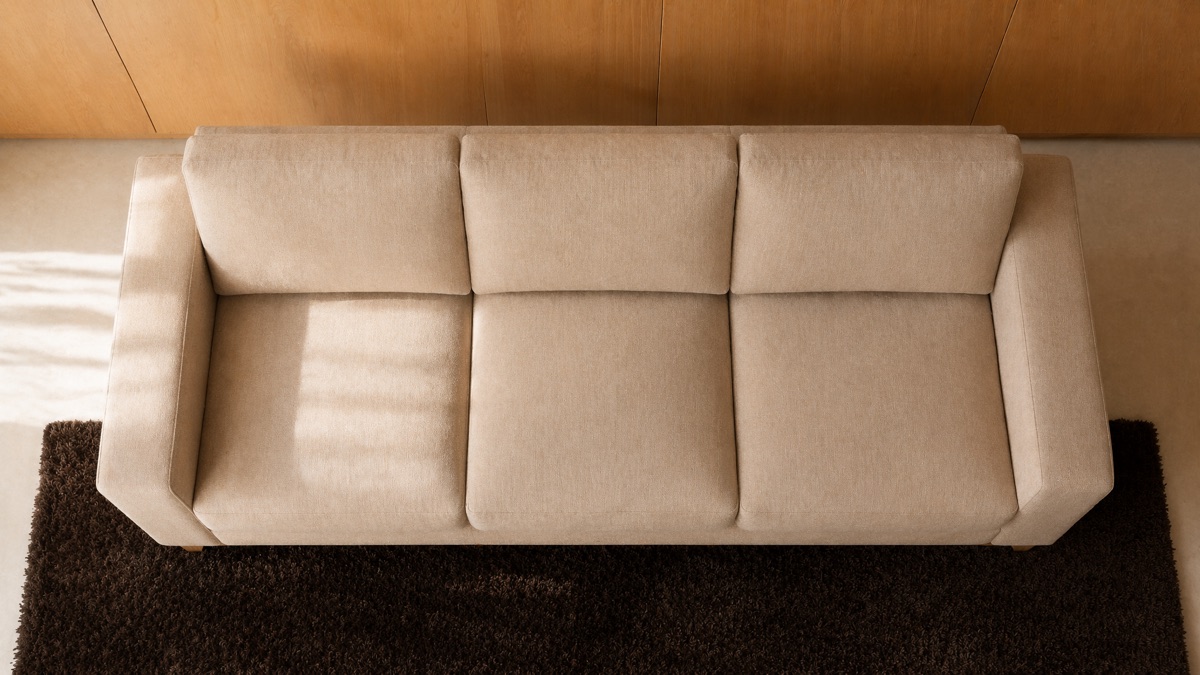
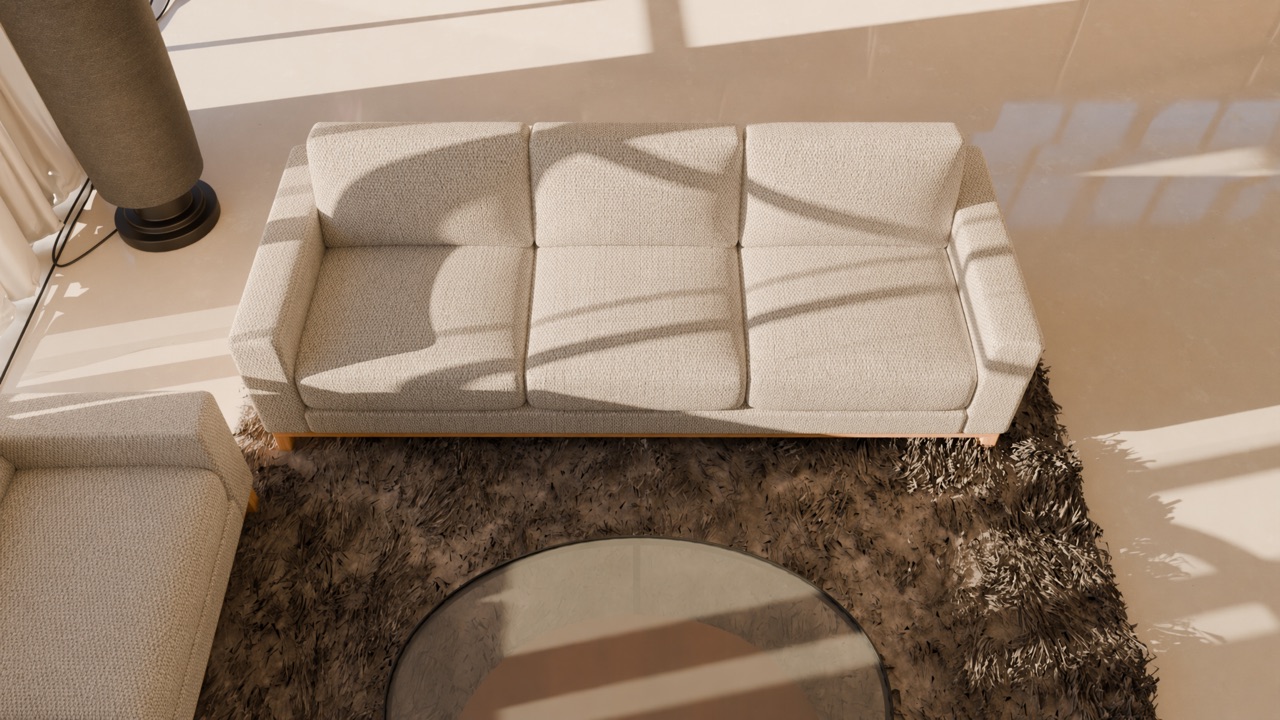
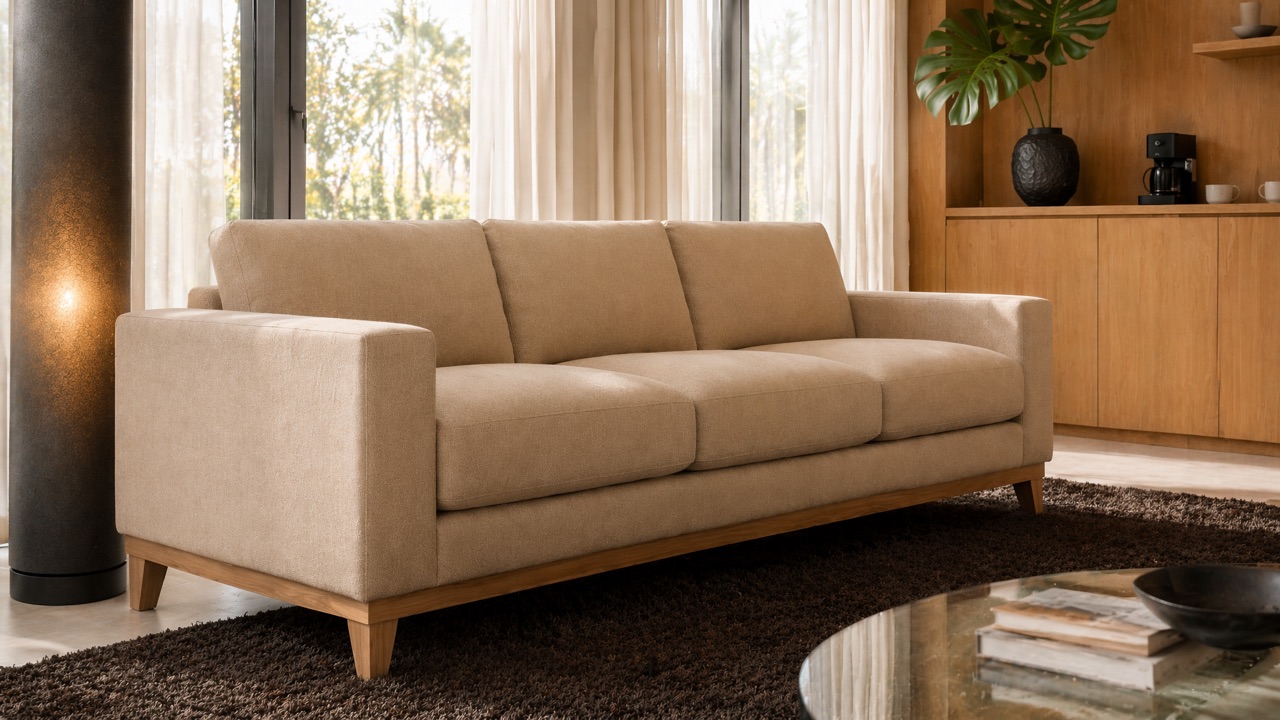
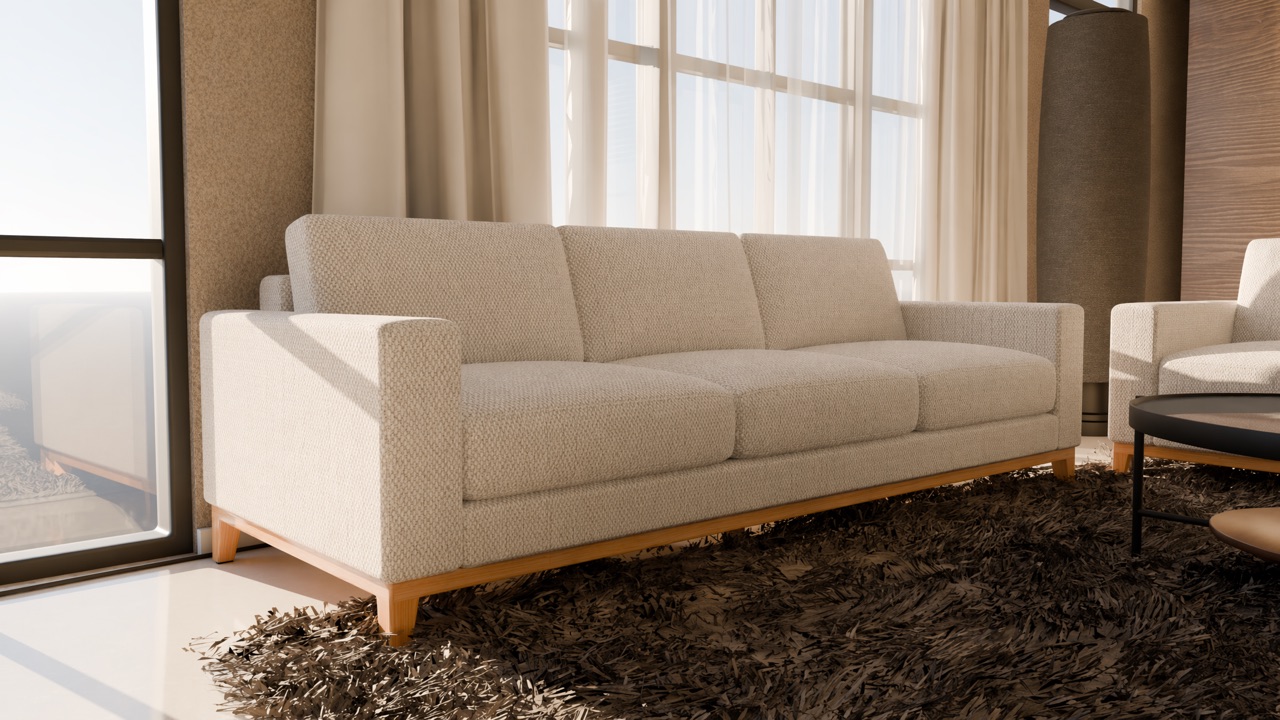
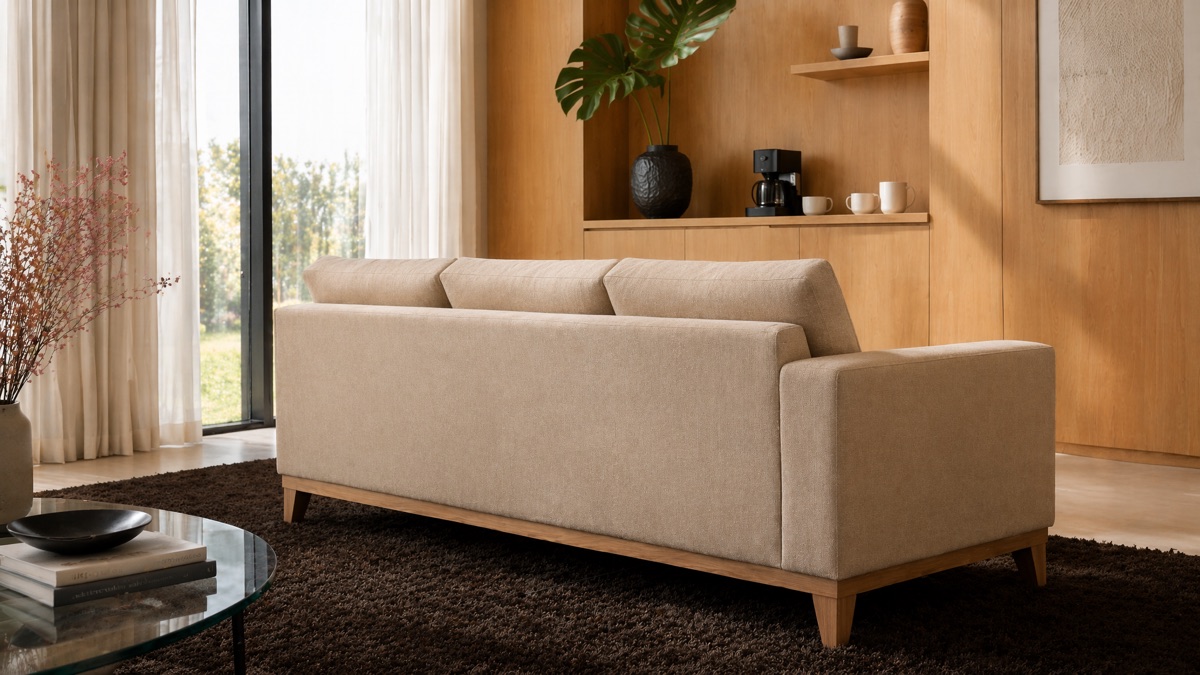
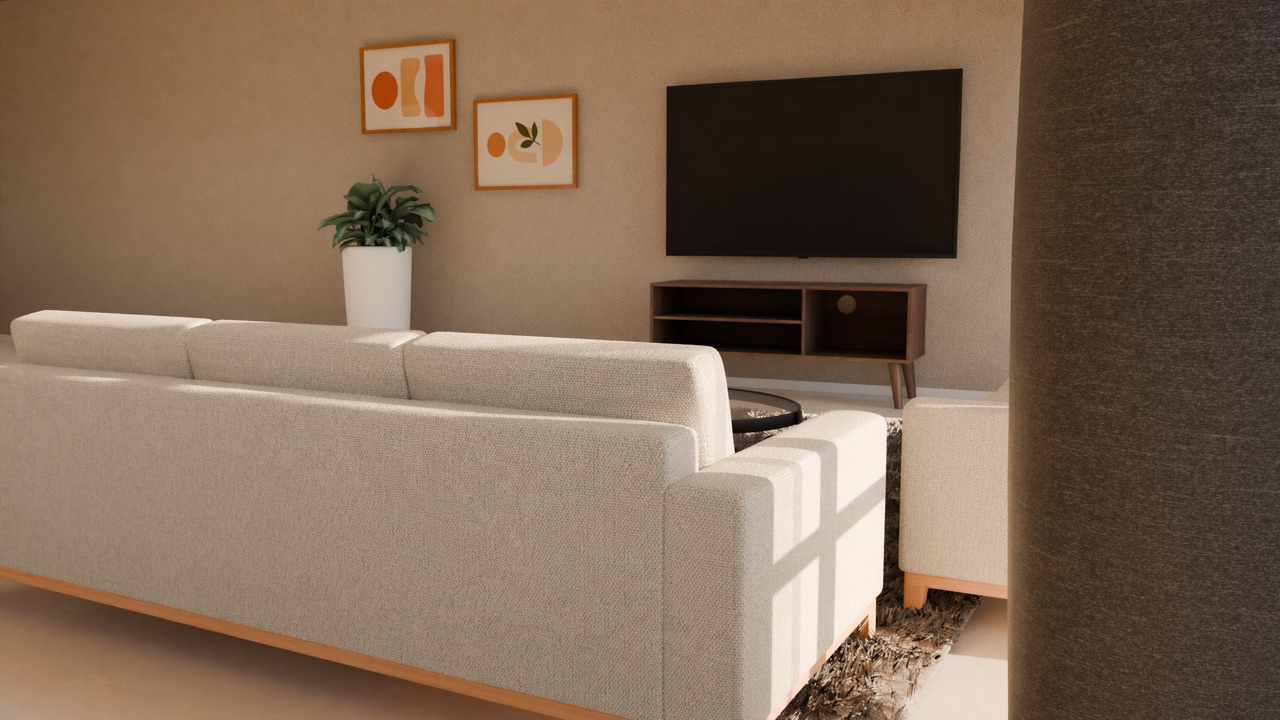

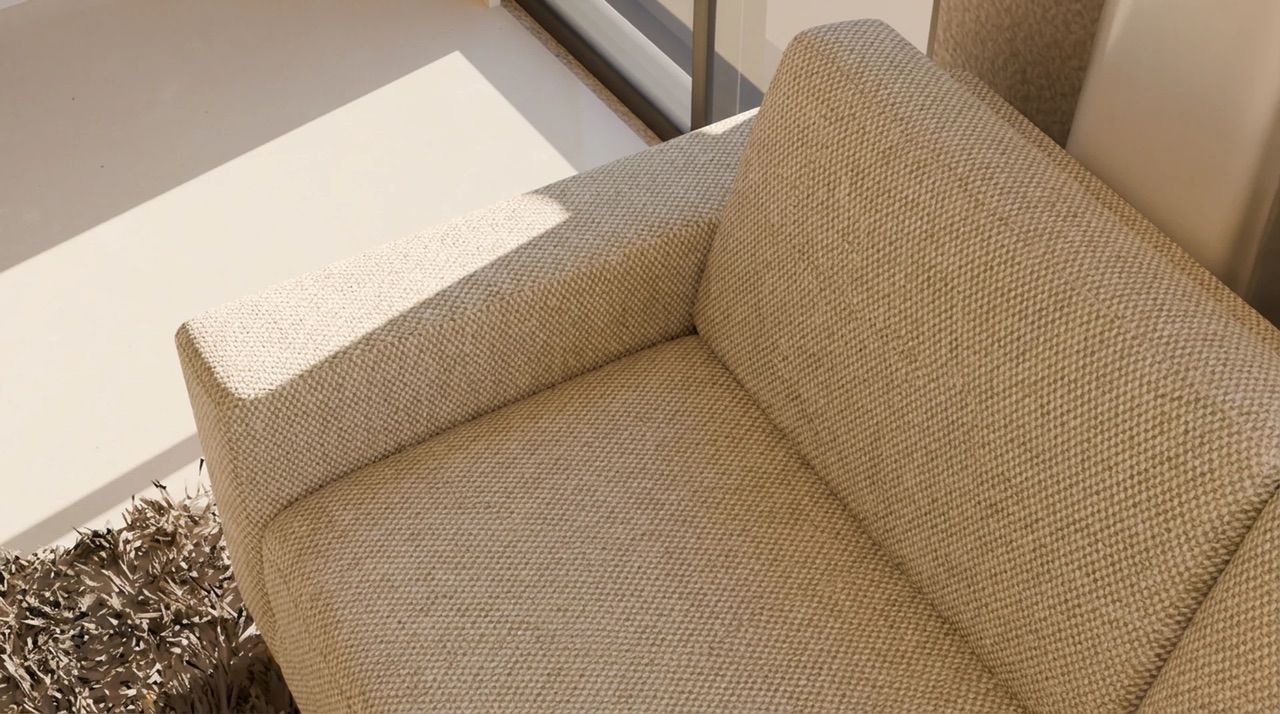
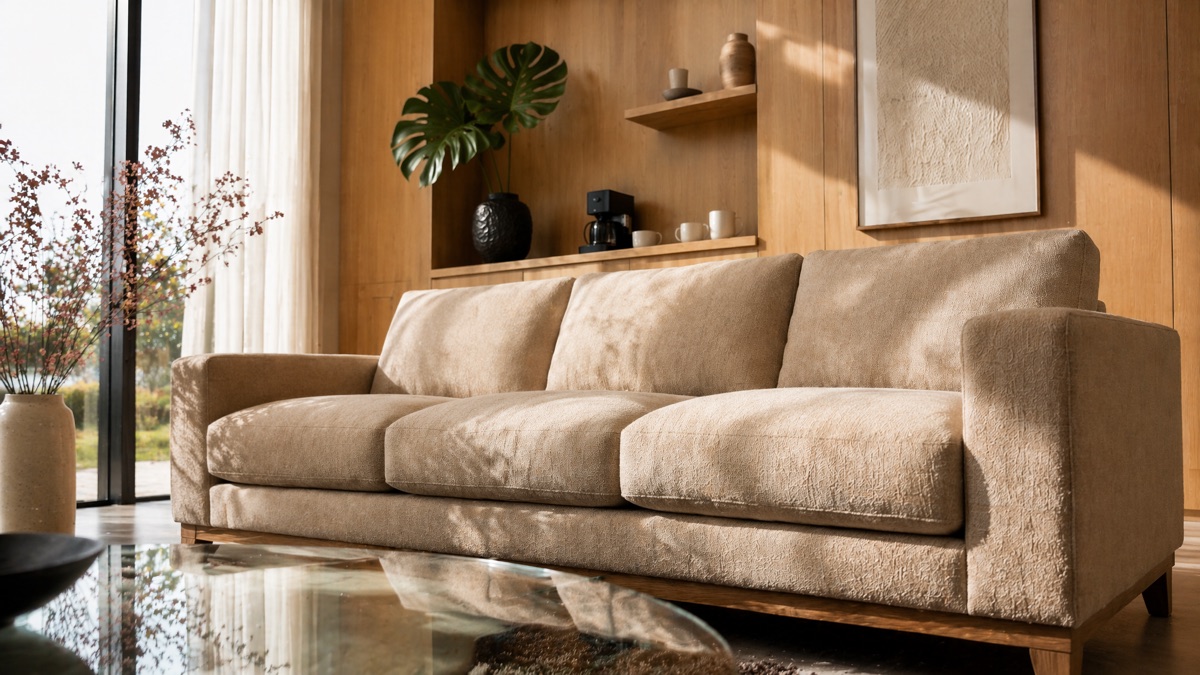
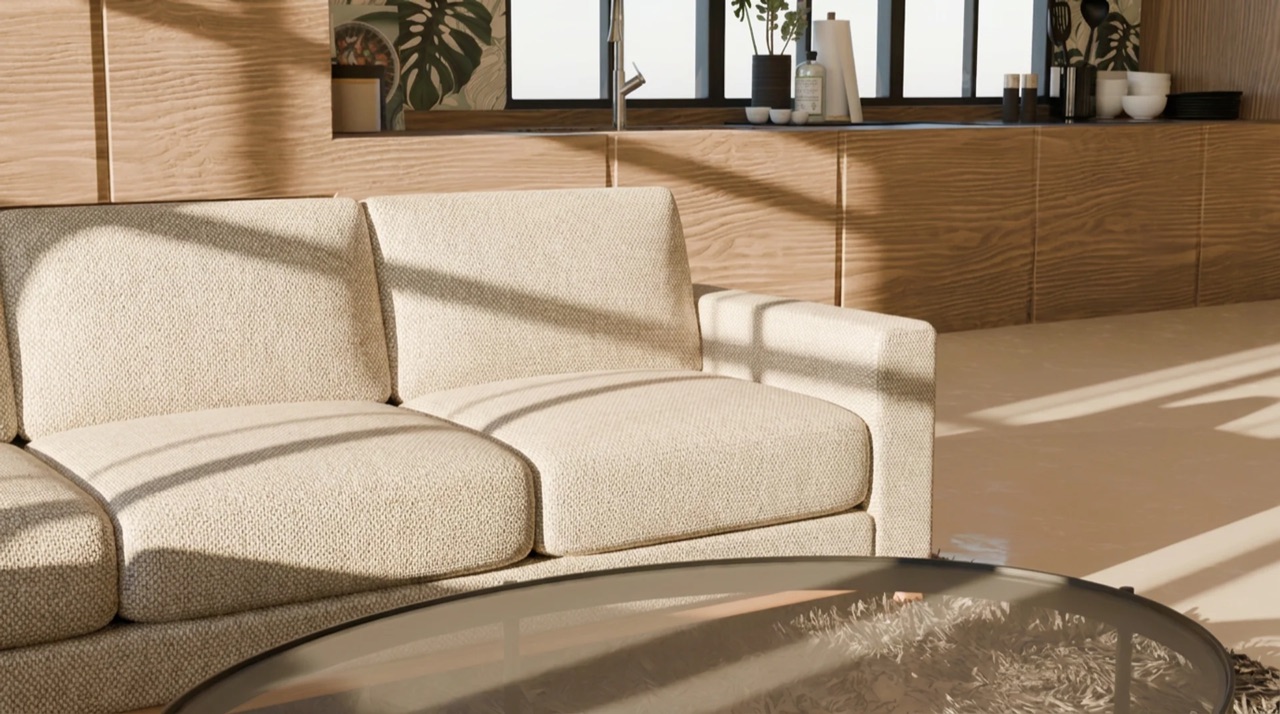
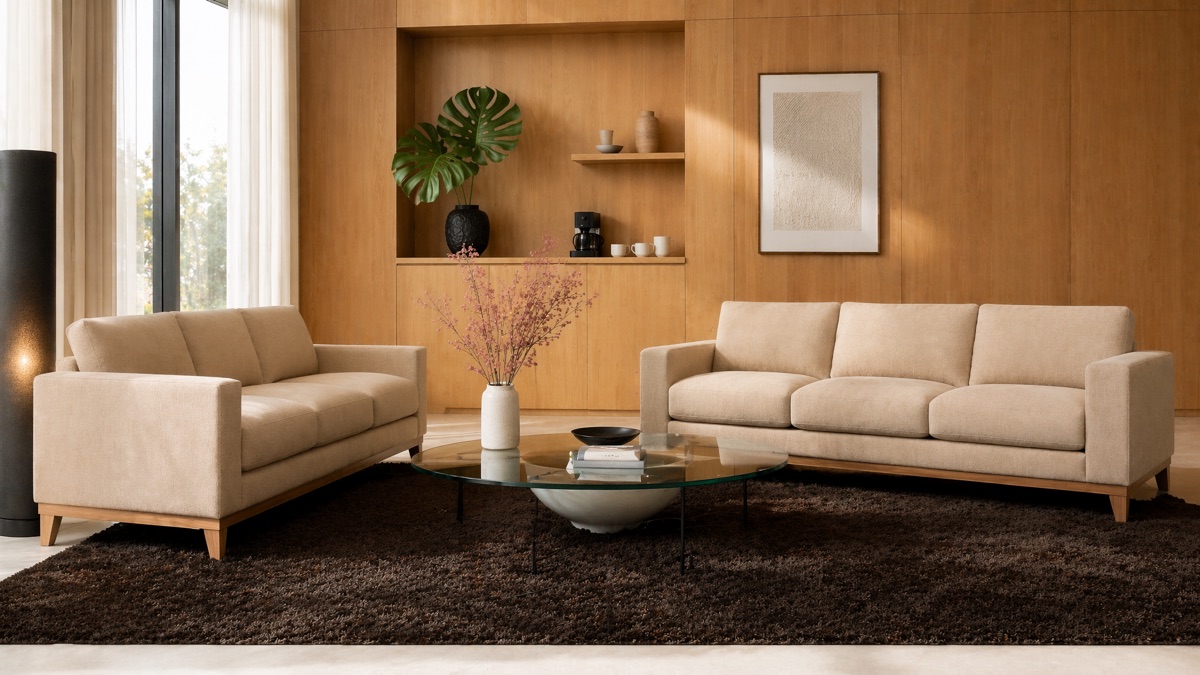
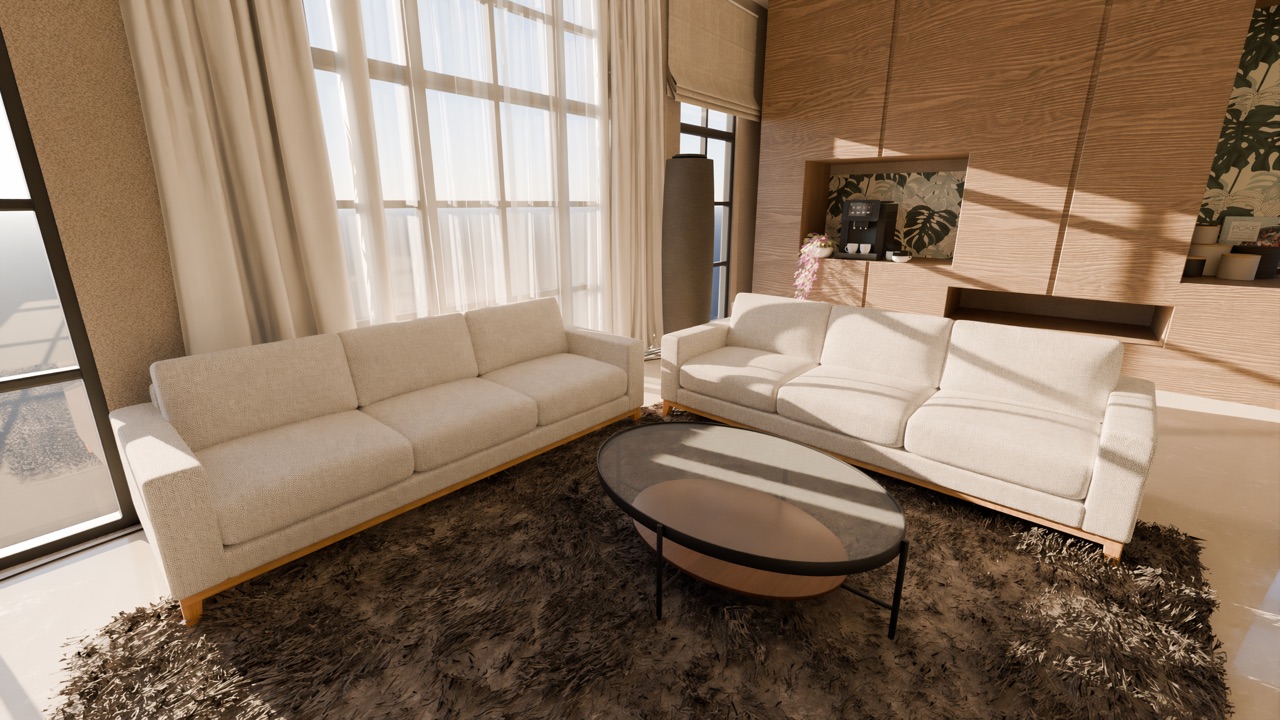
The CG + Seedance ads production pipeline.
CG delivers control; AI delivers output. Five stages move a single packshot from raw inputs to production-ready key visuals and video — composed across Seed 2.0, Seed3D 2.0, Blender, Seedream 5.0 Lite and Seedance 2.0.
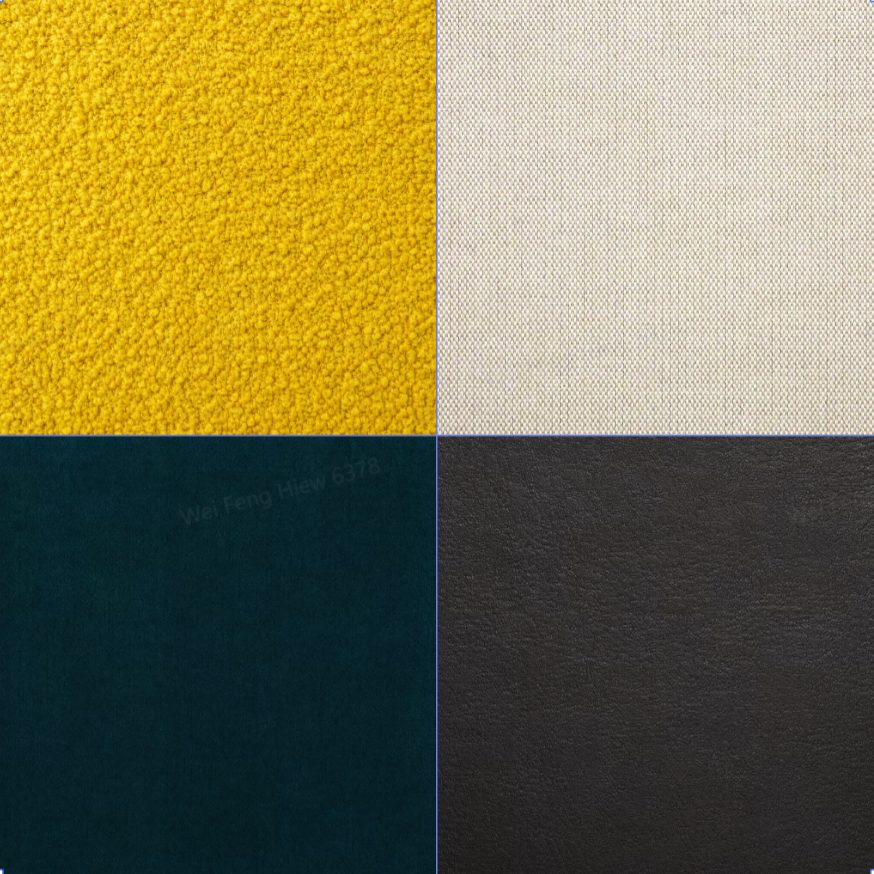
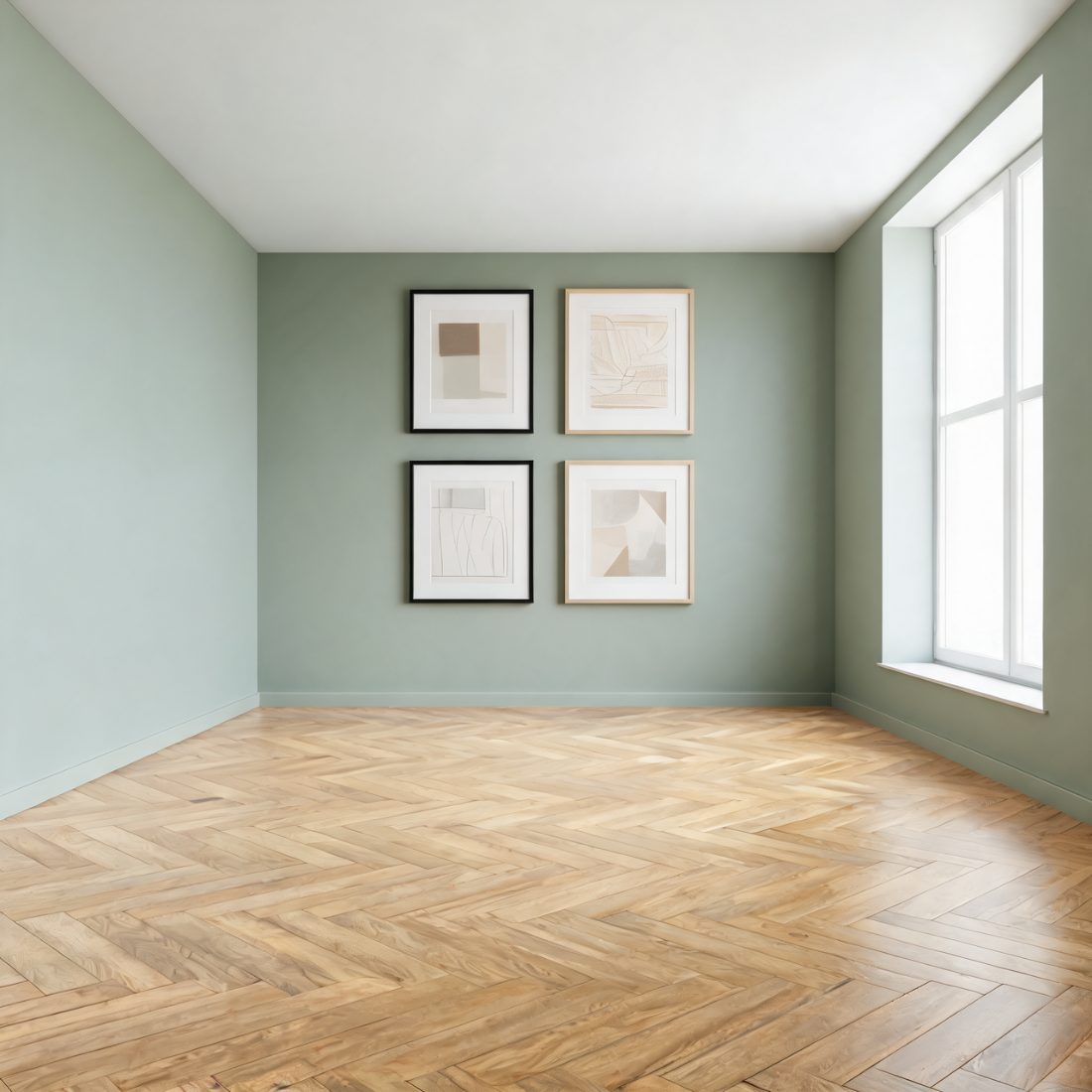

→ locks colour / material / size / structure

Four models, one pipeline.
Reads the packshot to extract a precise product spec — material, geometry, finish — and writes briefs, scripts & shotlists.
Turns the packshot into a workable digital twin (GLB) used to position the product and lock the camera.
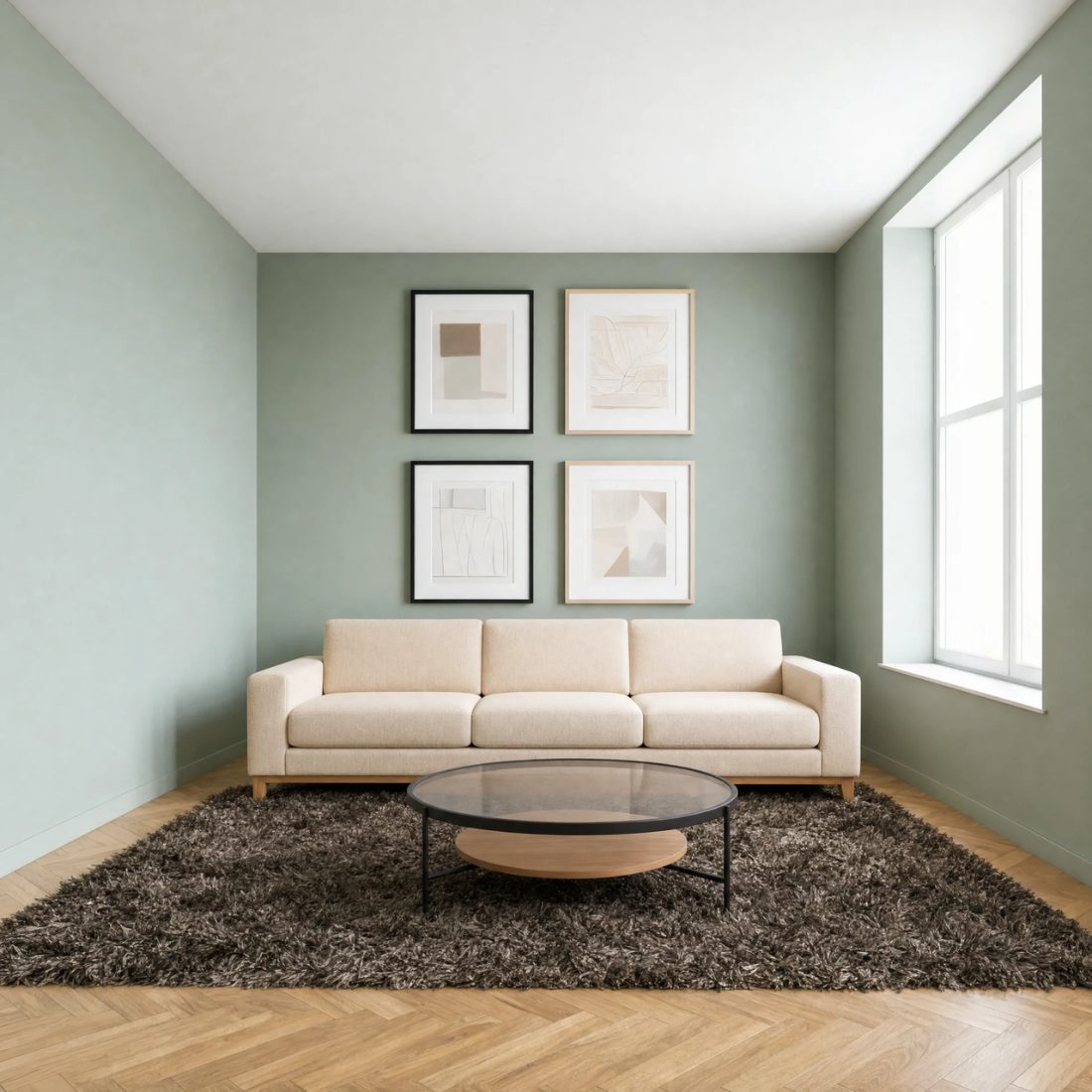
Composites the CG render with material & environment into final plates, key visuals & product stills.
Turns the locked render into the final catalog video; honors video, image & audio references at volume.
The control plane — up to 12 multimodal references
Each carries a semantic role, layered on the locked 3D render.Three inputs in.
A full catalog and video out.
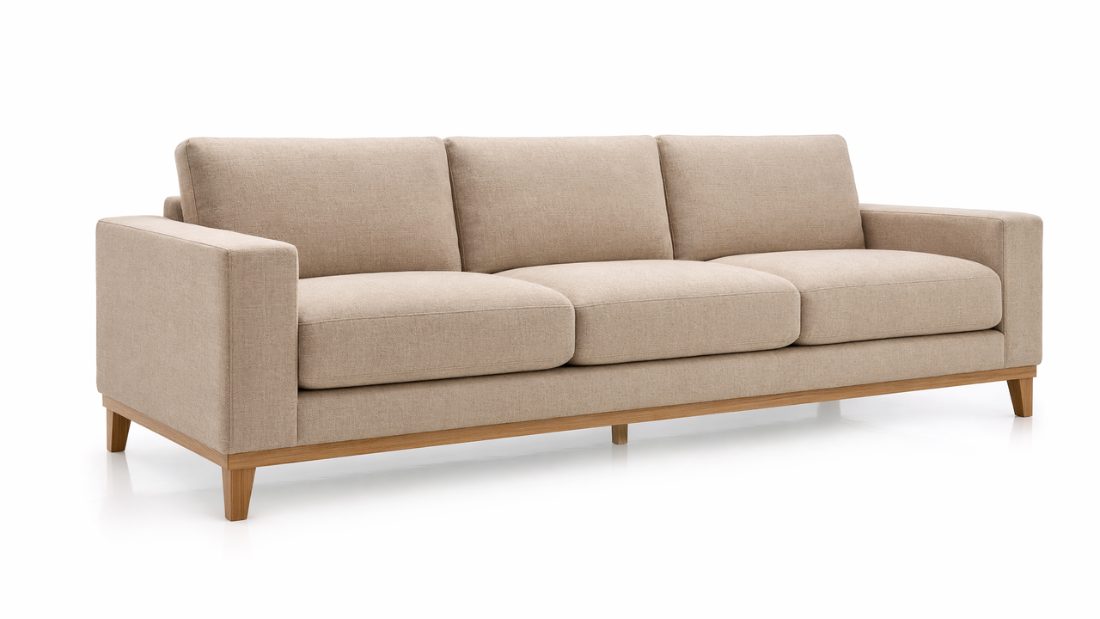
Walked end to end on a real furniture demo — the Haven 3-Seater Plinth Sofa — produced without a physical shoot. Every frame below is a real output from this pipeline.
Three references anchor everything
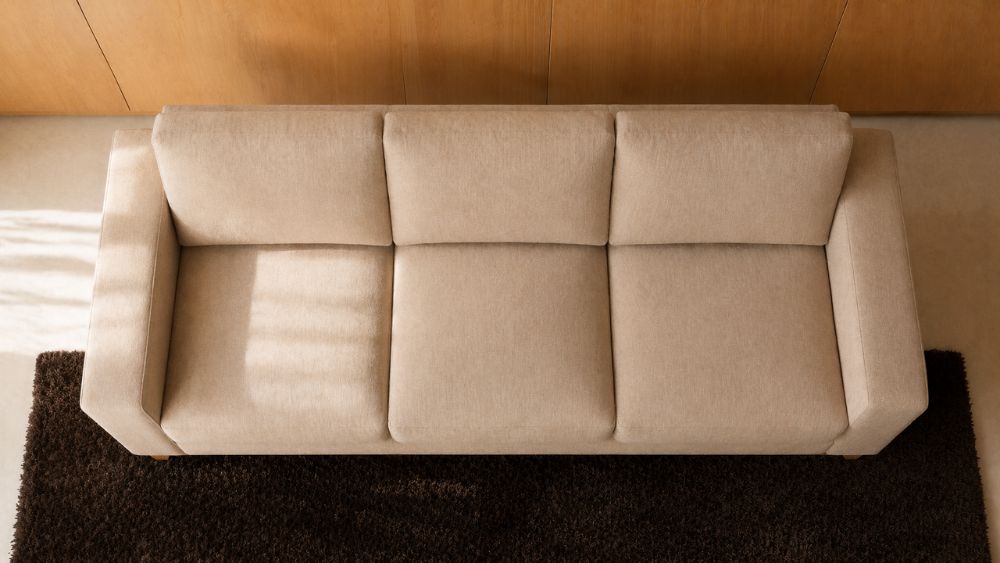
A product packshot, a material / texture swatch, and a character reference. A client digital twin is used when available; otherwise the packshot passes through Seed3D.
Reads the packshot, completes the spec
Seed 2.0 builds a high-precision spec — category, dimensions, colour down to hex, material and finish. Where detailed parameters are already provided, it uses them directly; where they're missing, Seed 2.0 visually estimates them from the image. Either way the spec comes out complete and locked — the anchor every later stage is held against, so nothing drifts.
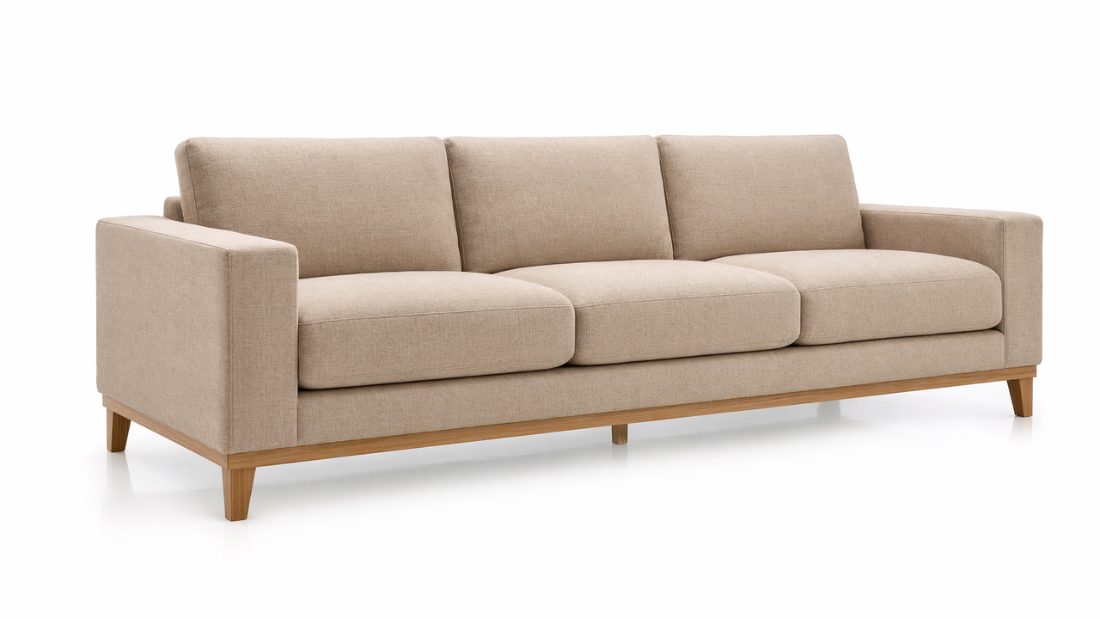
Haven 3-Seater Plinth Sofa
● spec lockedRefined mid-century silhouette — clean tailored lines, an exposed solid-oak plinth base.
- Dimensions given
- 230 × 95 × 82 cm
- Seat height est.
- 45 cm
- Frame given
- Kiln-dried FSC hardwood
- Base est.
- Solid oak, matte lacquer
A controllable solid, not a guess
Seed3D turns the packshot into a workable digital twin (GLB) — deliberately "good enough", a controllable solid that holds up under any perspective.
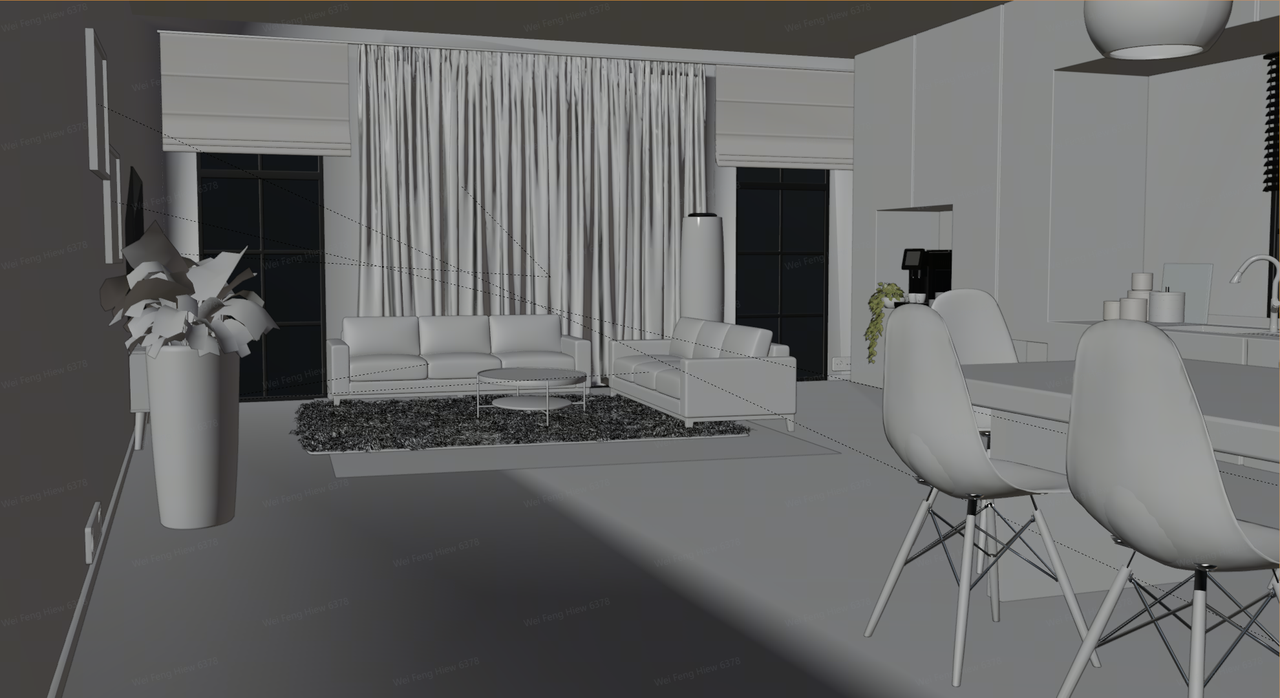
Build the set. Lock the shot.
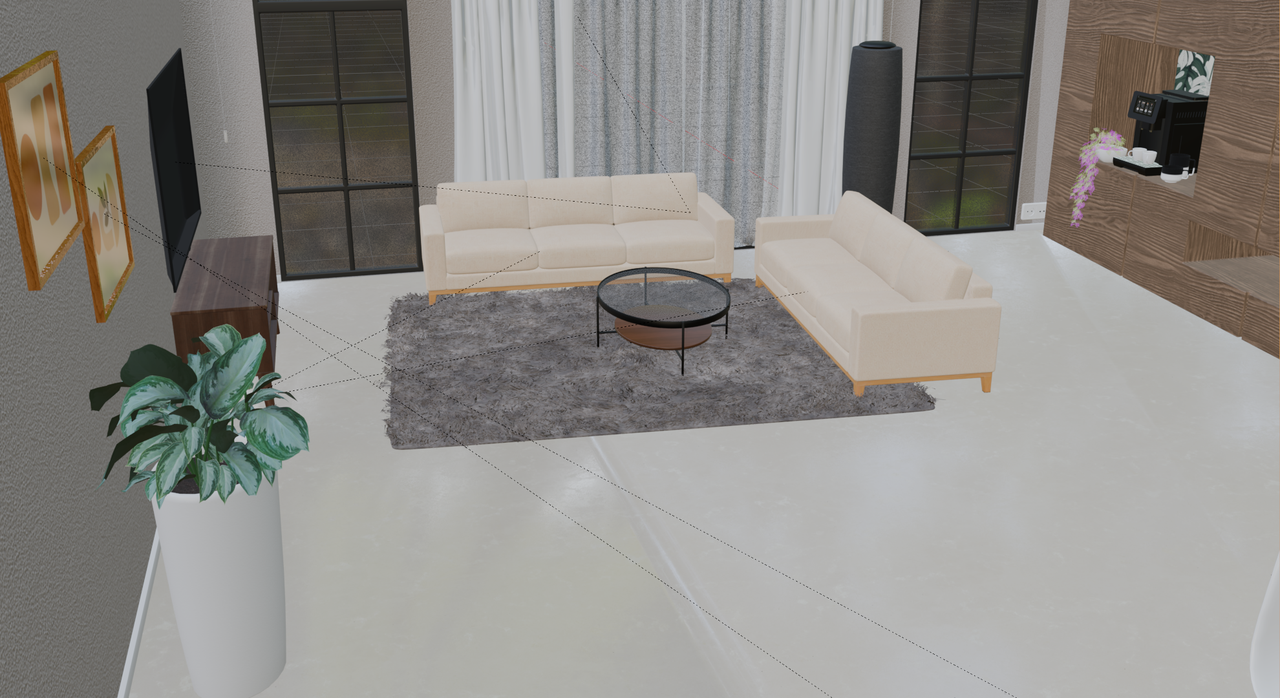
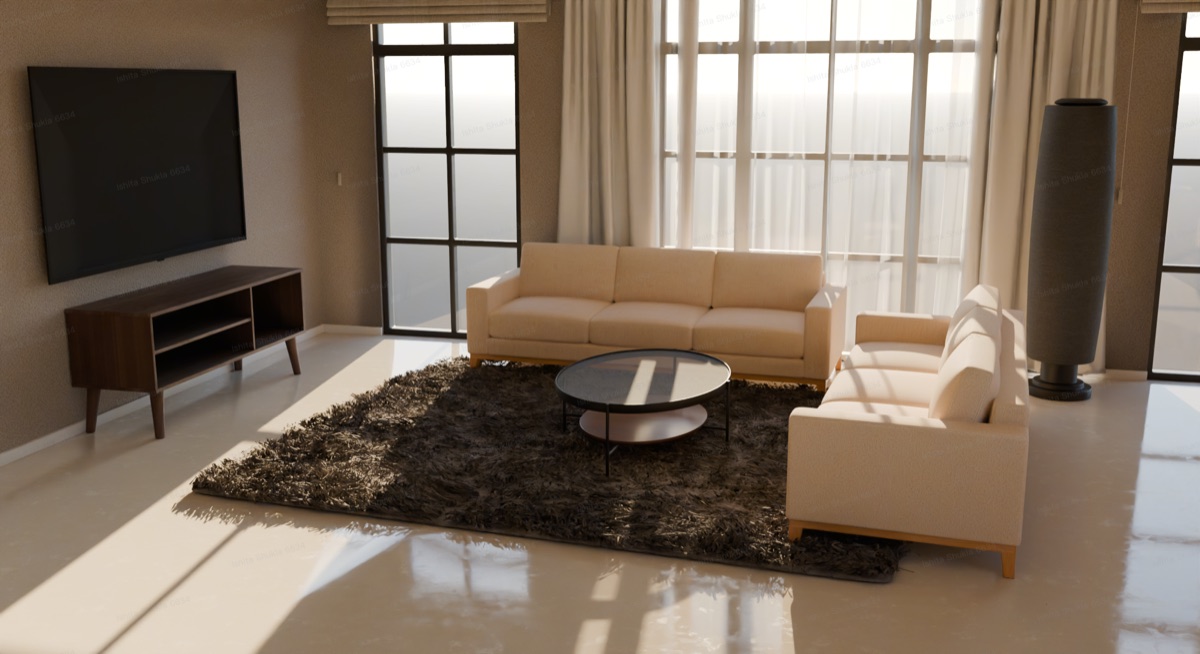
Build a set in Blender or drop in a marketplace environment, then place the digital twin inside it. This is the deterministic control plane — the exact camera angle and lighting are locked in 3D, so the product and environment stay identical across every viewpoint.
- Environment control — swap the whole set, keep the product exact
- Camera control — lock focal length, angle & composition
- Lighting control — fine-tune with added light sources
Plan every shot before you render
Seed 2.0 drafts the shotlist; each shot fixes a camera angle and a beat. Rendering against a locked shotlist keeps the catalog efficient and on-brand.
shots
runtime
scripted
 01 · 0–2s
 02 · 2–4s03 · 4–6s04 · 6–9s05 · 9–12s
 06 · 12–15s
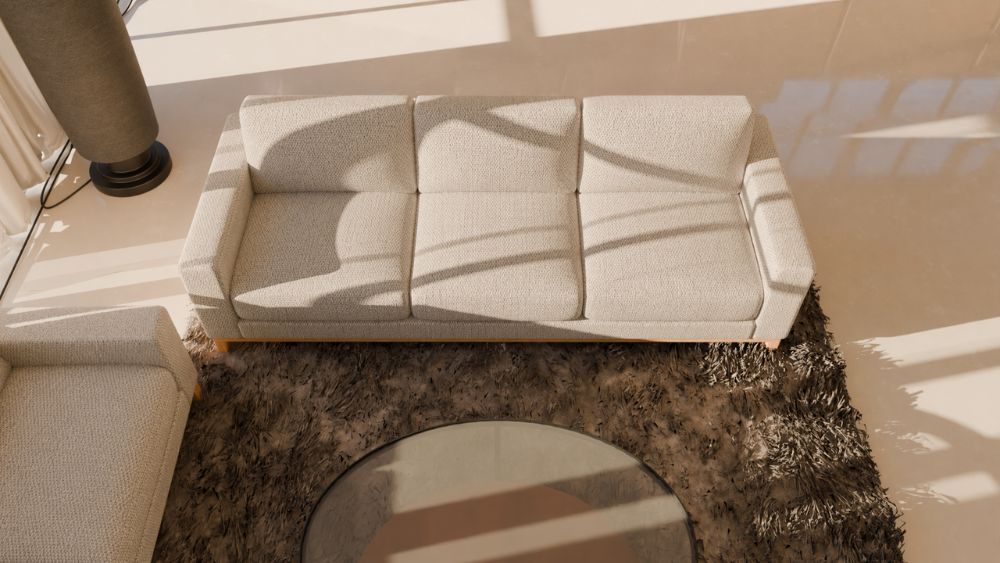
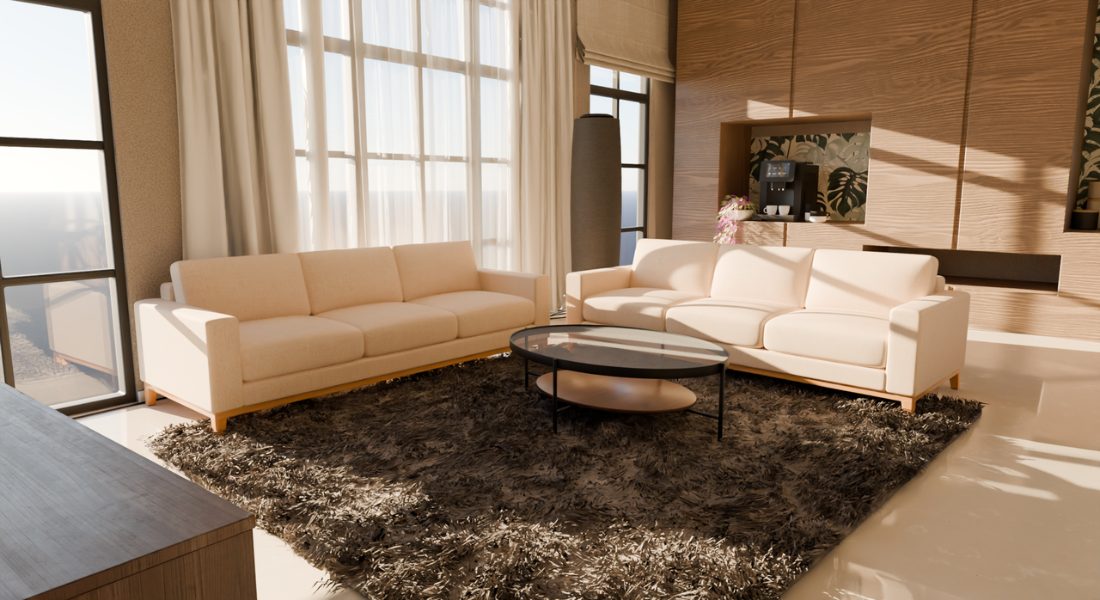
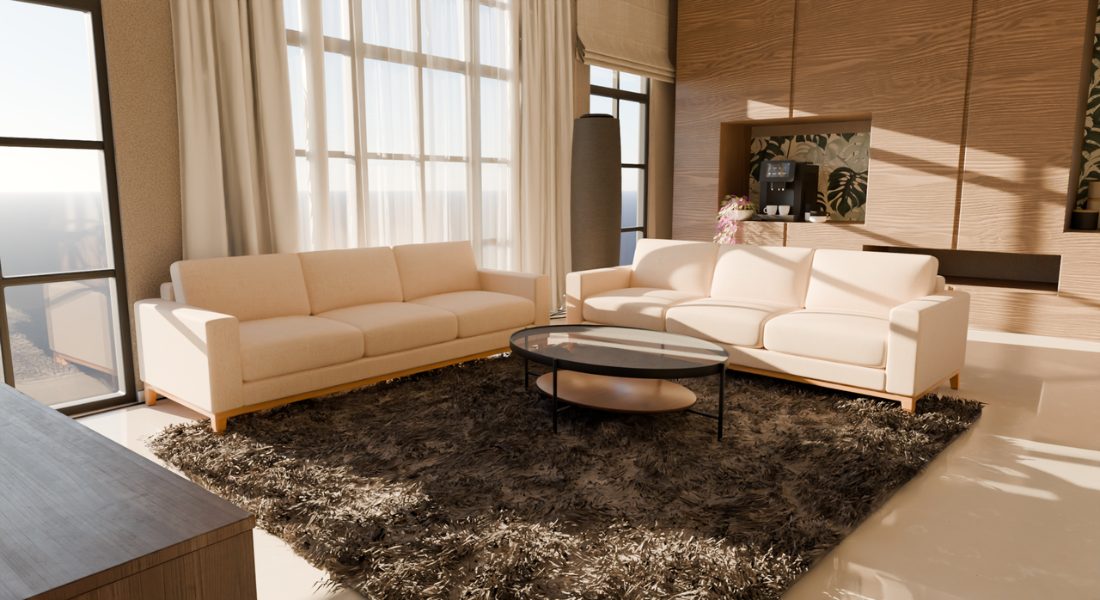
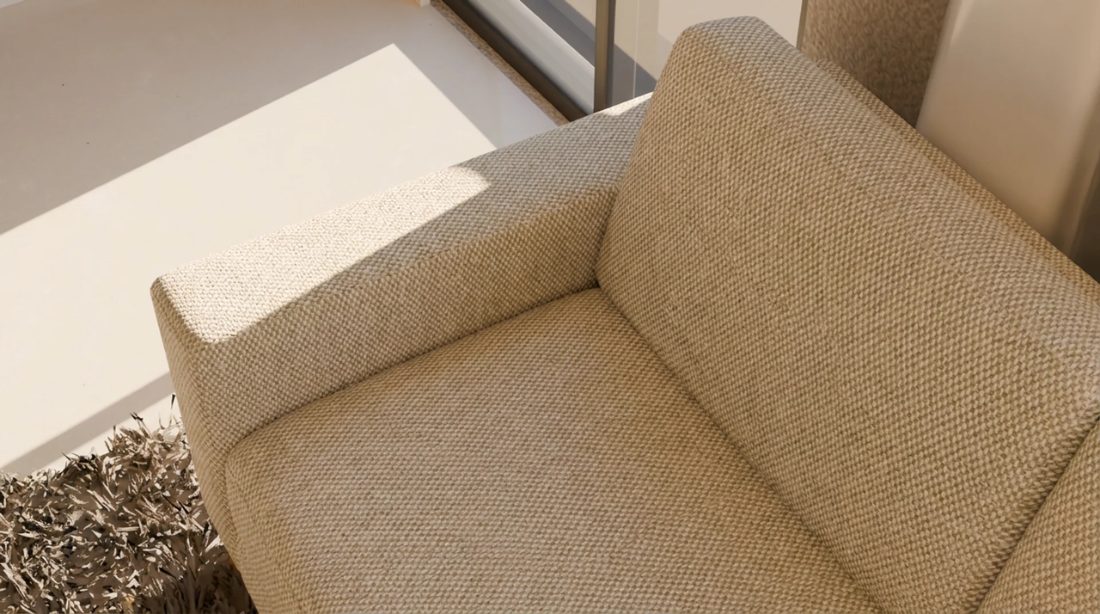
The locked scene renders to the key visual
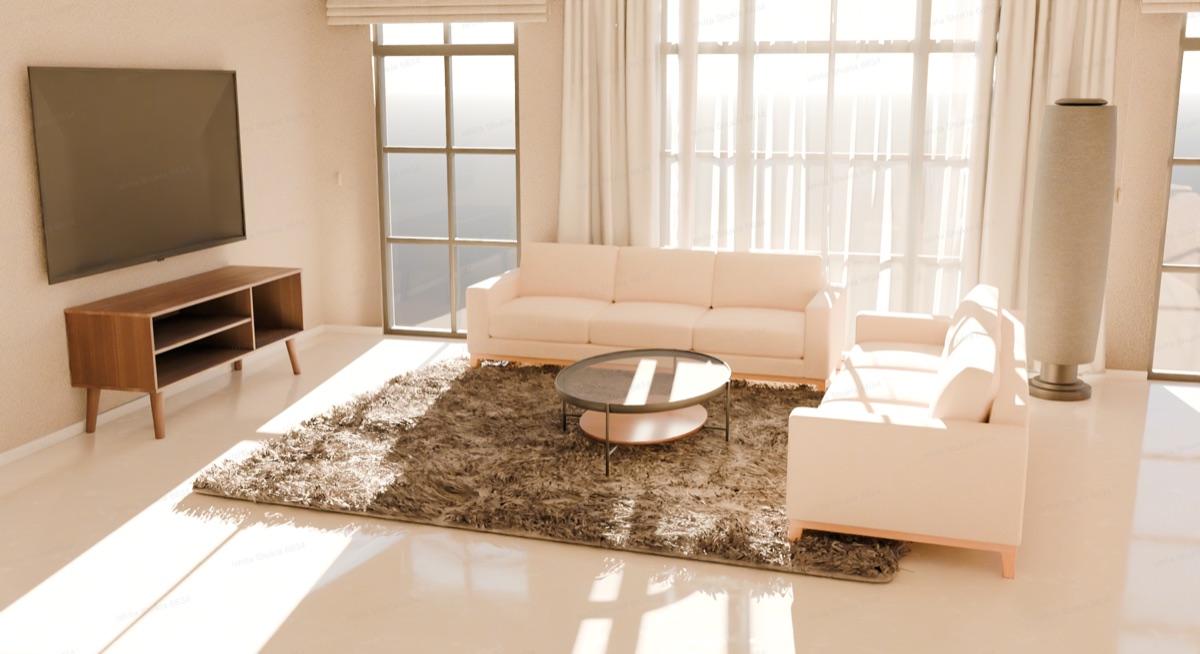
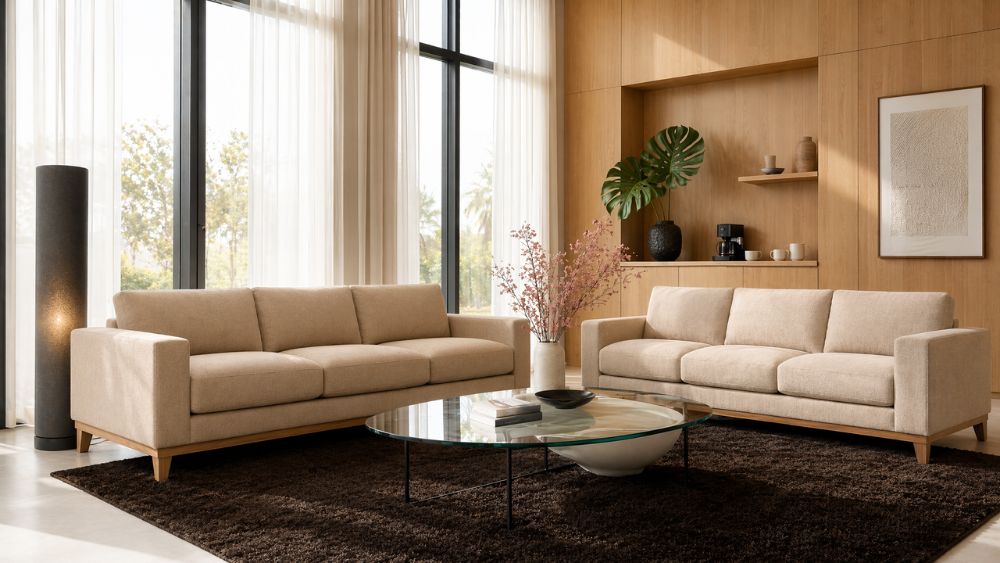
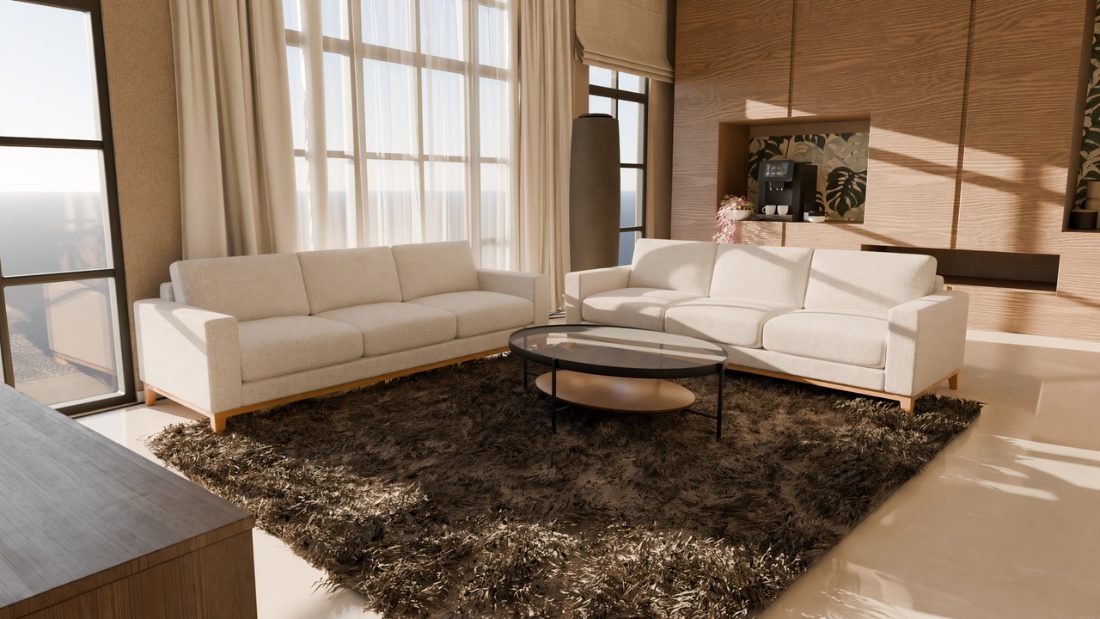
The full 3D scene — environment and placed twin, framed by the locked camera — renders to a deterministic CG plate. Seedream composites that exact framing with the real material texture, adds photographic quality and grades it to the final key visual. Every camera angle and colour variant generates in one batch.
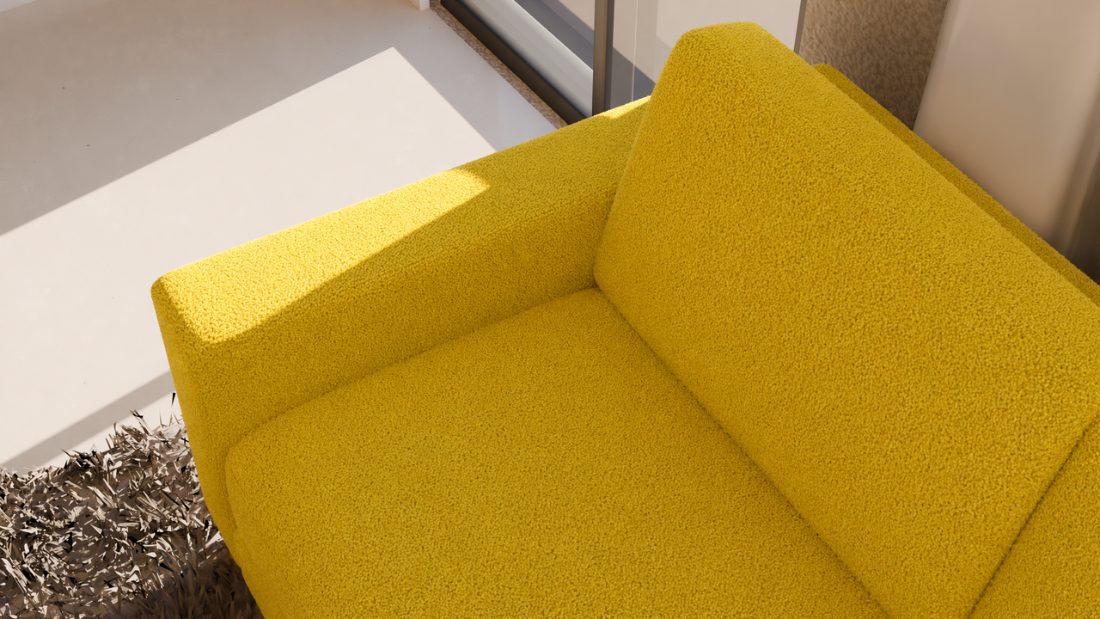
One sofa. Many interiors.
Once the angle and lighting are anchored, the same product drops into new environments, colourways and SKUs at virtually no additional cost.
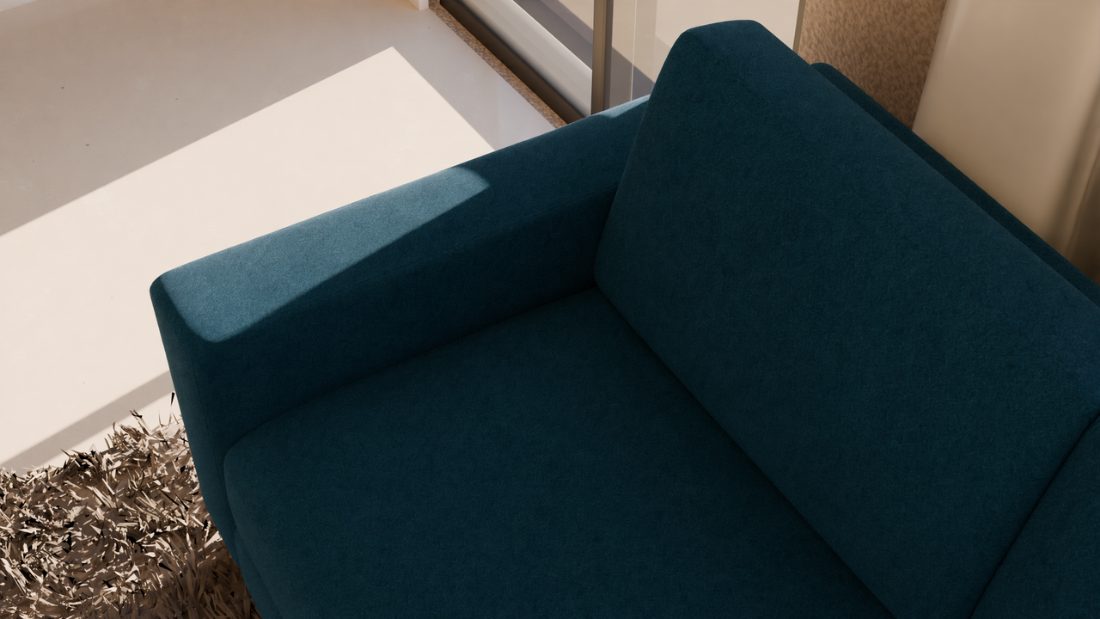
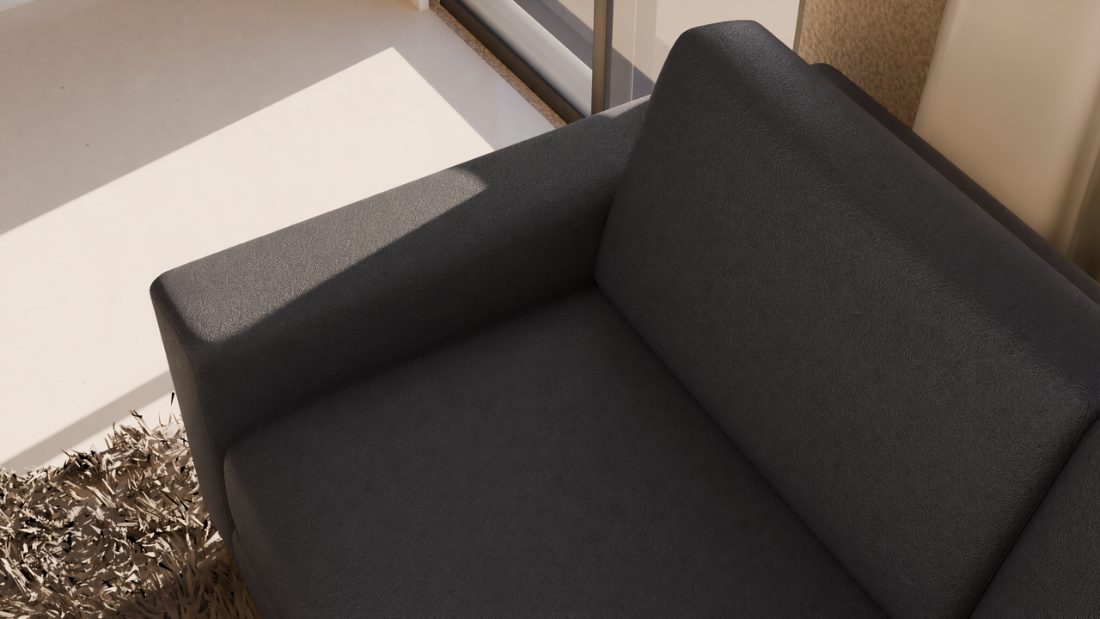
The catalog comes to life
The final stills become references for Seedance 2.0 — environment carried through, product consistent, batched for volume.
FINAL FILM · CGI + SEEDANCE 2.0
One model matrix, the entire catalog pipeline.
Hybrid-native, not prompt-only
The model matrix slots into a real CG + AI pipeline — digital twin, 3D render, compositing, colour & video — instead of a single prompt box.
You direct it — and it stays consistent
Exact camera and lighting locked in 3D, plus up to 12 multimodal references, keep one SKU consistent across angles and frames.
One model matrix, the whole pipeline
Seed 2.0 · Seed3D 2.0 · Seedream 5.0 Lite · Seedance 2.0 cover understanding → twin → composite → video, from one provider.
Built for catalog scale
New format / colour / market / SKU variants at near-zero marginal cost — designed to fit agency production realities, including regional (EU-DC) availability.
From one packshot to a full catalog and video.
CG for control and consistency, AI for the final render. Let's run your catalog through the pipeline.